
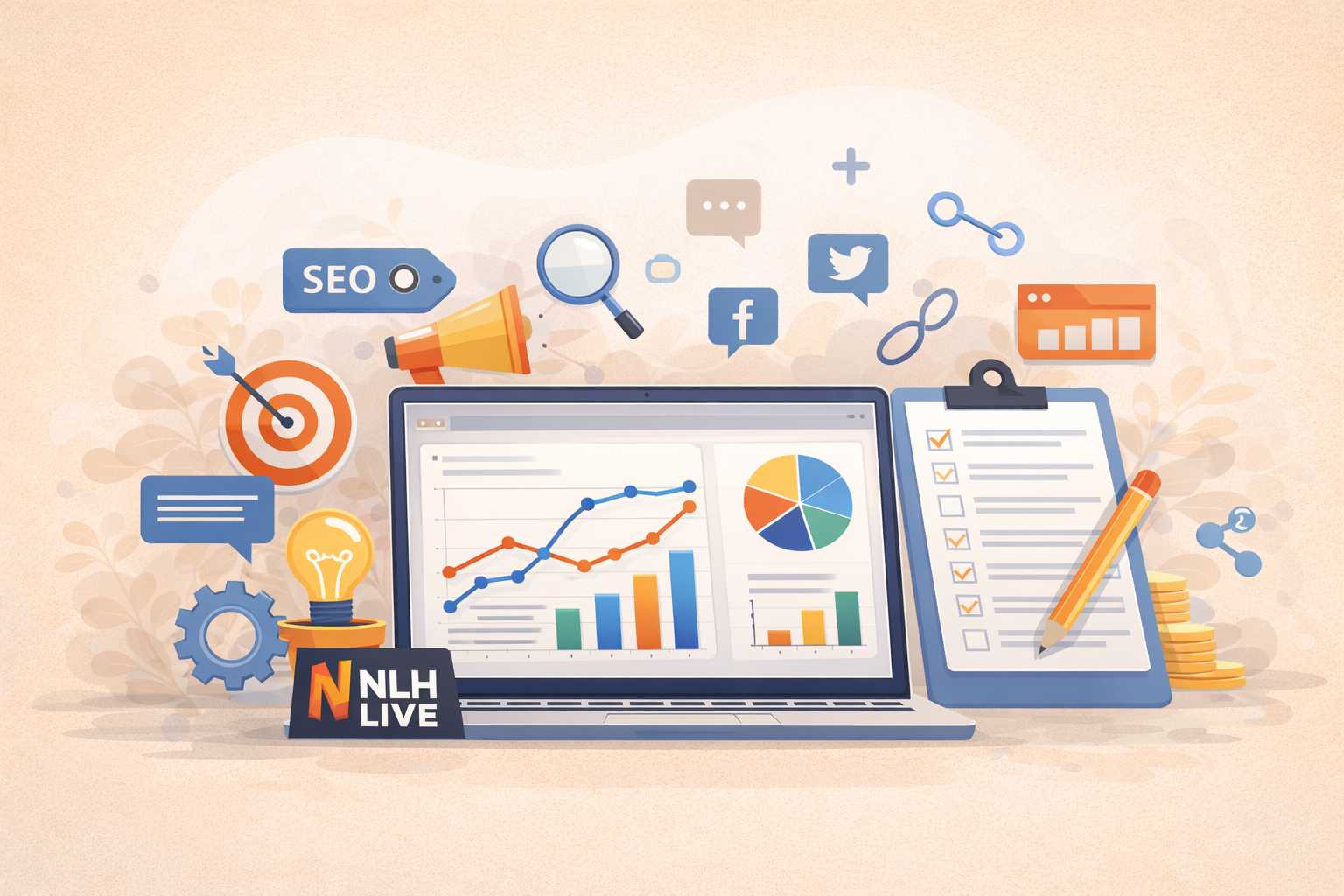
Digital marketing has evolved far beyond posting content and hoping it reaches the right audience. In today’s competitive online landscape, modern digital marketing is a structured, data-driven approach that combines the right tools, emerging trends, and proven best practices to build visibility, trust, and sustainable growth.
Whether you manage a personal blog, a small business website, or a growing online platform, understanding how modern digital marketing works is essential for staying relevant and competitive.
What Is Modern Digital Marketing?
Modern digital marketing refers to the use of online channels, technologies, and data insights to promote content, products, or services in a targeted and measurable way. Unlike traditional marketing, digital marketing allows website owners to track performance in real time and continuously optimize strategies based on user behavior.
Key characteristics of modern digital marketing include:
-
Audience targeting instead of mass broadcasting
-
Data-driven decision making
-
Personalization and user experience focus
-
Long-term value creation over quick wins
Essential Digital Marketing Tools
The right tools help simplify complex tasks and improve efficiency. Modern digital marketers rely on a combination of platforms to manage content, analyze performance, and engage audiences effectively.
Analytics and Performance Tools
Understanding how users interact with your website is critical. Tools like Google Analytics and Google Search Console help track traffic sources, user behavior, page performance, and search visibility. These insights guide content improvements and technical optimizations.
SEO and Content Optimization Tools
SEO tools assist with keyword research, content structure, and on-page optimization. They help ensure your content matches search intent and follows best practices for discoverability without relying on shortcuts or spammy tactics.
Social Media Management Tools
Scheduling and analytics tools help maintain consistency across platforms. They allow marketers to monitor engagement, test posting times, and refine content strategies without manually managing each channel.
Email Marketing Platforms
Email remains one of the most effective digital marketing channels. Modern platforms support automation, segmentation, and personalization, making it easier to nurture relationships and maintain audience trust.
Key Digital Marketing Trends Shaping the Industry
Digital marketing continues to change as technology and user behavior evolve. Understanding these trends helps website owners adapt before falling behind.
User-First Content
Search engines increasingly reward content that genuinely helps users. Thin or keyword-stuffed pages are losing visibility, while well-structured, informative articles gain authority over time.
Mobile-First Experiences
Most users now access content via mobile devices. Websites that prioritize mobile performance, fast loading times, and responsive design have a significant advantage in both rankings and user satisfaction.
Data-Driven Personalization
Modern marketing focuses on delivering relevant content based on user interests and behavior. Personalization improves engagement and builds stronger long-term relationships without compromising privacy.
Long-Form, Evergreen Content
Instead of short-lived posts, many websites now focus on evergreen content that stays relevant over time. These articles attract consistent traffic and support sustainable growth.
Best Practices for Sustainable Digital Marketing
Success in digital marketing is not about doing everything at once. It’s about applying best practices consistently and improving gradually.
Focus on Quality Over Quantity
Publishing fewer high-quality articles is more effective than posting large volumes of shallow content. Each piece should solve a problem, answer a question, or provide clear value.
Optimize for Search and Users
SEO best practices—such as clear headings, internal linking, and descriptive meta tags—should support readability, not replace it. Content should always feel natural and helpful.
Build Trust Gradually
Trust is earned through transparency, consistency, and reliable information. Avoid exaggerated claims, misleading headlines, or aggressive monetization tactics that can damage credibility.
Measure, Learn, and Improve
Digital marketing is an ongoing process. Regularly review performance data, update outdated content, and refine strategies based on what works best for your audience.
Final Thoughts
Modern digital marketing is a balance of strategy, technology, and human understanding. By using the right tools, staying informed about emerging trends, and following proven best practices, website owners can build a strong online presence without relying on shortcuts or paid advertising.
The most successful digital marketing strategies focus on long-term value—helping users, earning trust, and growing steadily over time. When done correctly, digital marketing becomes not just a promotional tool, but a foundation for sustainable online success.
Leave a Reply