
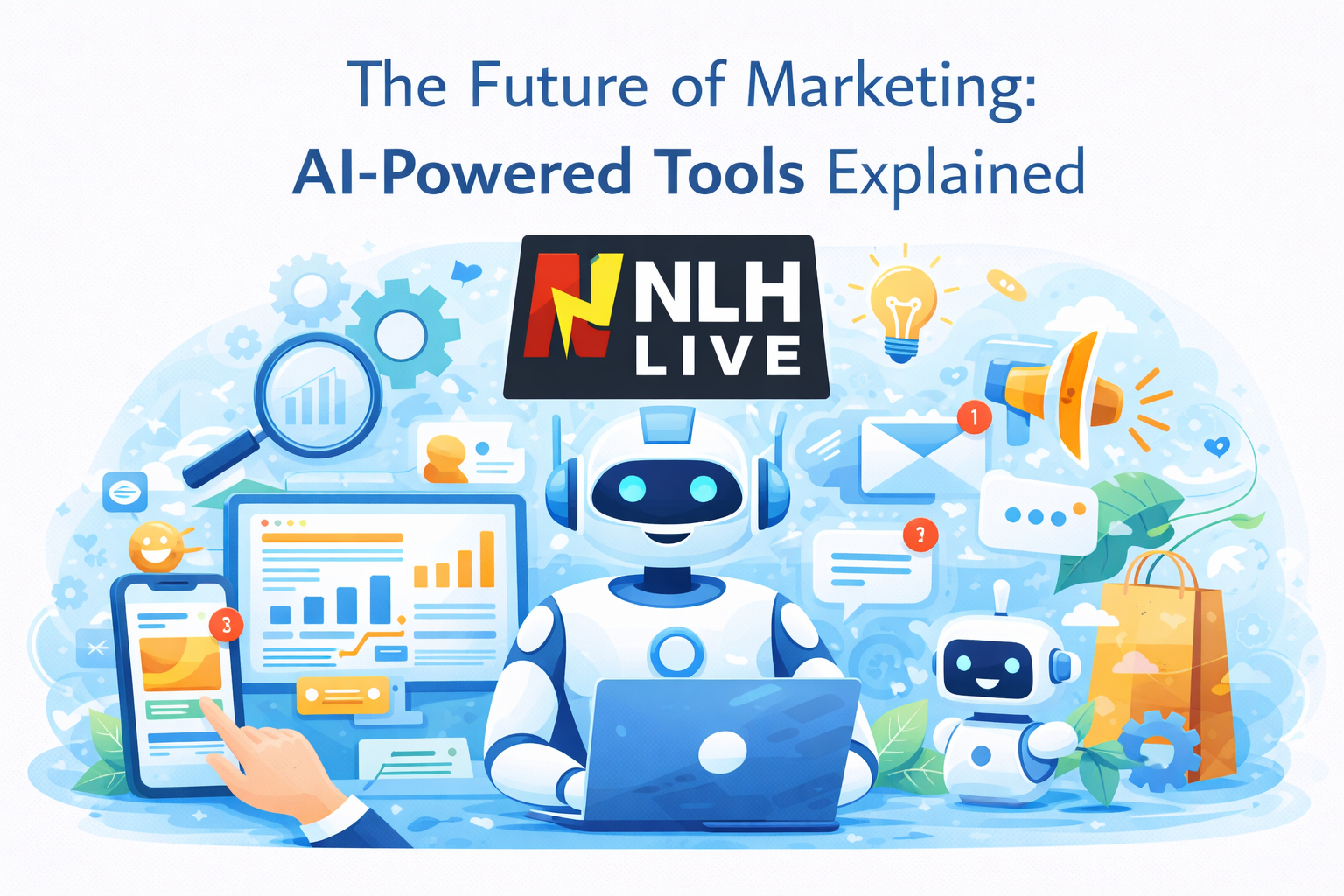
Marketing is evolving faster than ever, and artificial intelligence (AI) is at the center of this transformation. From content creation to customer insights, AI-powered tools are reshaping how businesses connect with their audiences. For website owners, bloggers, and digital marketers, understanding this shift is no longer optional—it’s essential for staying competitive.
In this article, we’ll explore what AI-powered marketing tools are, how they are changing the digital landscape, and why they matter for the future of marketing.
Understanding AI in Modern Marketing
AI in marketing refers to the use of machine learning, data analysis, and automation to improve decision-making and performance. Unlike traditional tools, AI systems can analyze massive amounts of data, identify patterns, and adapt strategies in real time.
Common applications of AI in marketing include:
-
Content optimization and recommendations
-
Predictive analytics and user behavior tracking
-
Chatbots and automated customer support
-
Personalized email and website experiences
These tools help marketers work smarter, not harder.
Why AI-Powered Tools Matter More Than Ever
As online competition increases, generic marketing strategies are no longer effective. Users expect personalized, relevant, and timely experiences. AI makes this possible by understanding user intent and behavior at a deeper level.
AI-powered marketing tools help by:
-
Delivering personalized content to the right audience
-
Improving targeting and segmentation accuracy
-
Reducing manual workload through automation
-
Enhancing user experience across platforms
For website owners, this means better engagement and long-term growth without constant manual effort.
Key AI-Powered Marketing Tools to Know
1. AI Content Tools
AI tools assist with content ideation, SEO optimization, and readability improvements. They help marketers create consistent, high-quality content while saving time.
2. Analytics and Predictive Tools
AI-driven analytics platforms go beyond basic traffic numbers. They predict trends, identify high-performing content, and suggest improvements based on real user behavior.
3. Personalization Engines
These tools customize website content, product recommendations, and email campaigns based on individual user preferences, increasing conversion potential.
4. AI Chatbots and Assistants
Chatbots provide instant responses, guide users through websites, and handle common questions—improving user satisfaction and reducing support workload.
How AI Is Shaping the Future of Marketing
The future of marketing will be more data-driven, automated, and user-focused. AI allows marketers to test strategies faster, adapt in real time, and make informed decisions based on insights rather than assumptions.
Key trends include:
-
Hyper-personalized user experiences
-
Smarter SEO and content optimization
-
Automated campaign management
-
Greater focus on user intent and value
Rather than replacing marketers, AI enhances creativity by handling repetitive tasks and providing actionable insights.
Challenges and Responsible Use of AI
While AI offers many benefits, it must be used responsibly. Over-automation, lack of transparency, or ignoring human creativity can harm trust. Successful marketers balance AI efficiency with ethical practices and authentic communication.
It’s important to:
-
Focus on user value, not manipulation
-
Maintain content originality and accuracy
-
Protect user data and privacy
Final Thoughts
AI-powered tools are not a passing trend—they represent the future of marketing. For digital marketers and website owners, learning how to use these tools effectively can unlock new levels of efficiency, personalization, and growth.
By adopting AI thoughtfully and strategically, marketers can stay ahead of change while delivering meaningful experiences that truly connect with their audience.
Leave a Reply