
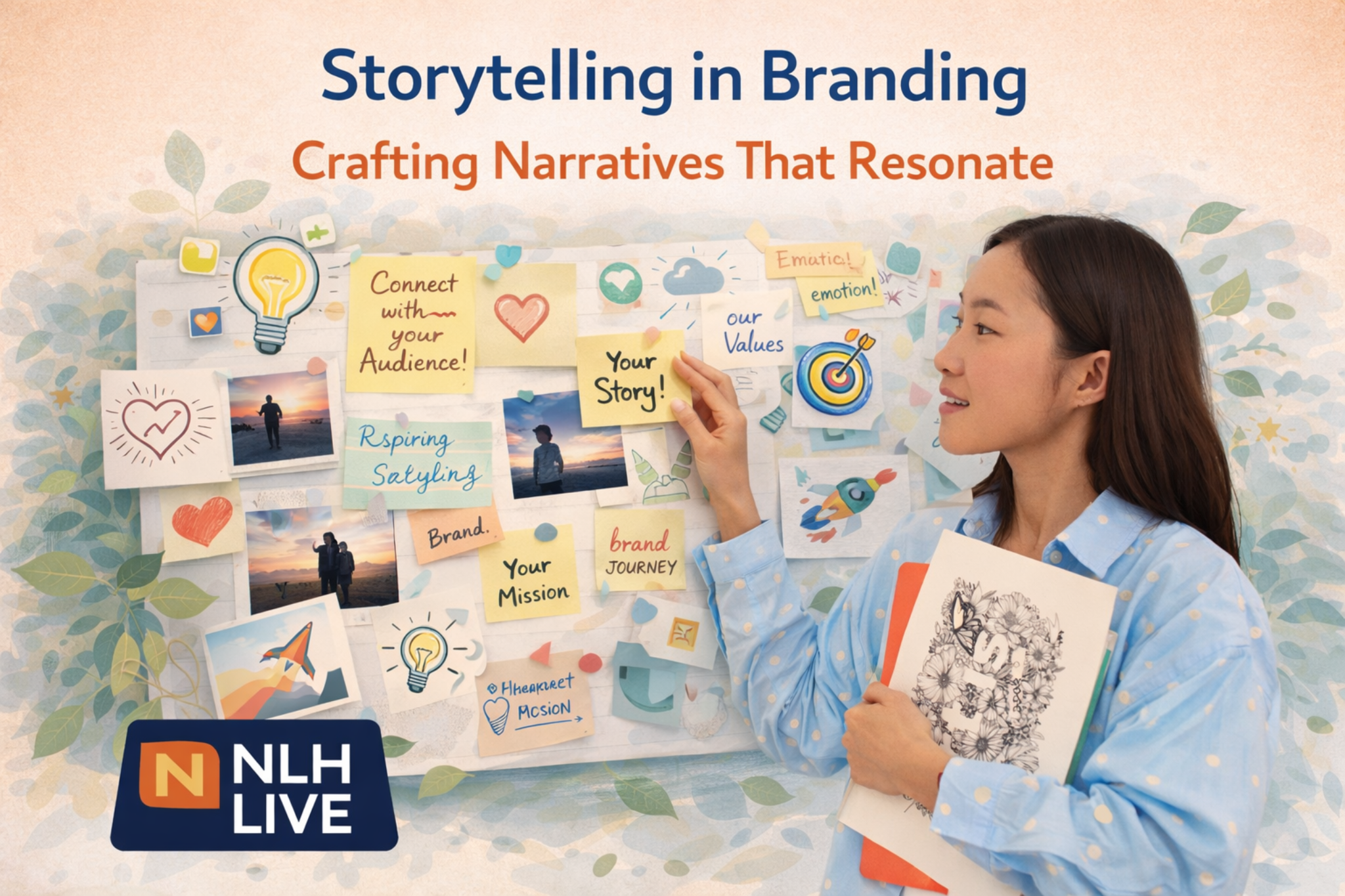
In today’s competitive digital landscape, products and services alone are no longer enough to stand out. Audiences are overwhelmed with options, ads, and information. What truly captures attention—and builds lasting trust—is storytelling in branding. A strong brand story helps people understand not just what you offer, but why you exist and who you are.
Storytelling transforms branding from simple promotion into meaningful connection. When done right, it aligns values, emotions, and experiences into a narrative your audience can relate to and remember.
Why Storytelling Matters in Modern Branding
Modern consumers don’t connect with logos or slogans alone. They connect with purpose, values, and authenticity. Storytelling gives your brand a human voice and makes your message easier to understand and trust.
Effective storytelling helps brands:
-
Build emotional connections with audiences
-
Differentiate from competitors
-
Increase brand recall and loyalty
-
Support long-term growth rather than short-term attention
This approach works especially well when combined with a strong content foundation, as explained in Creating User-Focused Content That Engages and Converts.
Making the Customer the Hero of the Story
One of the most important principles of brand storytelling is shifting the spotlight from the brand to the customer. Instead of positioning your company as the hero, your brand should act as the guide that helps customers overcome challenges.
In strong brand narratives:
-
The customer faces a problem
-
The brand provides clarity or support
-
The customer achieves success
This approach builds trust because it respects the audience’s journey. It also aligns naturally with modern marketing strategies discussed in Understanding Modern Digital Marketing: Tools, Trends, and Best Practices.
Core Elements of Effective Brand Storytelling
While every brand story is unique, successful narratives often share these foundational elements:
Authenticity
Audiences can instantly sense exaggerated or artificial messaging. Honest stories based on real experiences, values, and challenges create credibility.
Consistency
Your story should remain consistent across your website, social media, content, and visuals. Consistency reinforces trust and brand recognition.
Emotion
Stories that evoke emotion—hope, ambition, belonging, or inspiration—are more memorable than purely informational messaging.
Clarity
A simple, clear story is more powerful than a complex one. Avoid overloading your audience with unnecessary details.
These elements work best when supported by a well-planned content structure, such as the strategies outlined in SEO Content Strategy Beyond Keywords and Clicks.
Real-World Examples of Storytelling in Branding
Many globally recognized brands succeed not because of product features alone, but because of the stories they tell:
-
Patagonia connects customers through environmental responsibility and sustainability.
-
Nike focuses on perseverance, motivation, and personal achievement.
-
Small digital brands often grow faster by sharing behind-the-scenes stories, founder journeys, and customer success experiences.
These examples show that storytelling works for both large and small brands—especially when paired with sustainable growth thinking, as discussed in Sustainable Growth Strategies for Digital Marketers.
How Storytelling Strengthens Long-Term Brand Growth
Storytelling isn’t a one-time campaign—it’s a long-term strategy. When consistently applied, it:
-
Builds emotional loyalty instead of transactional relationships
-
Supports higher engagement across content and social platforms
-
Enhances trust, which improves conversion rates over time
-
Creates a brand identity people are proud to associate with
This long-term approach complements SEO and content planning, similar to how How SEO and Content Strategy Work Together for Long-Term Website Growth explains the value of consistency and intent.
Final Thoughts
Storytelling in branding is not about exaggeration or marketing tricks. It’s about clarity, empathy, and connection. Brands that invest in meaningful narratives create more than awareness—they build relationships.
By positioning your audience as the hero, staying authentic, and aligning storytelling with your overall content and SEO strategy, your brand can stand out in a crowded digital world and grow sustainably over time.
Leave a Reply