
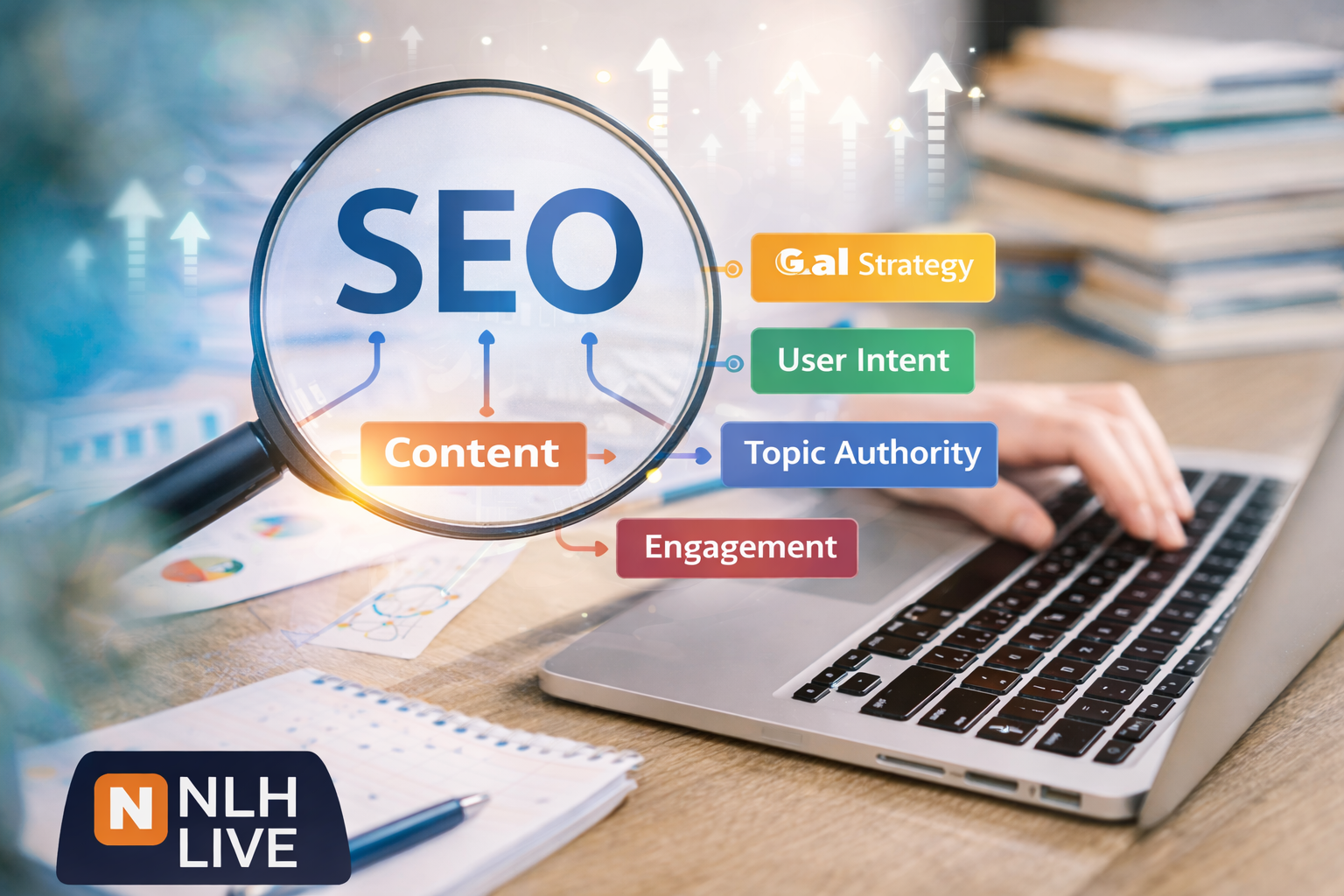
For years, SEO content strategy was reduced to a simple formula: find keywords, write articles, and chase clicks. While this approach may generate short-term traffic, it rarely delivers sustainable results. Modern SEO has evolved far beyond keyword density and page views. Today, an effective SEO content strategy focuses on user intent, content structure, experience, and business impact.
If your goal is long-term website growth, authority, and trust, it’s time to rethink how SEO content really works.
Why Keywords Alone Are No Longer Enough
Keywords are still important—but they are no longer the starting point. Search engines now prioritize context, relevance, and usefulness over exact keyword matches. Content that ranks well today answers real questions, solves problems, and keeps users engaged.
This shift aligns closely with the principles discussed in Digital Marketing Basics Every Website Owner Should Understand, where SEO is treated as part of a broader digital ecosystem rather than an isolated tactic.
Instead of asking “What keyword should I target?”, a better question is:
“What problem is my audience trying to solve?”
Aligning SEO Content With Search Intent
Search intent is the foundation of modern SEO strategy. Every search query falls into one of four broad categories:
-
Informational – learning or researching
-
Navigational – finding a specific site or brand
-
Commercial – comparing solutions
-
Transactional – ready to take action
Content that ignores intent often fails to rank or convert. For example, a long educational article won’t perform well for a transactional query, just as a sales page won’t satisfy someone looking for a beginner guide.
This is why intent-driven content planning works so well alongside Creating User-Focused Content That Engages and Converts—both prioritize user needs over algorithms.
Building Topic Authority With Content Clusters
Rather than publishing isolated blog posts, successful websites build topic clusters. A topic cluster includes:
-
A pillar page covering a broad subject
-
Multiple supporting articles that explore subtopics
-
Strong internal linking between related content
This structure signals topical authority to search engines and improves user navigation. You’re already applying this approach effectively across NLH LIVE, especially when pairing strategy articles like How SEO and Content Strategy Work Together for Long-Term Website Growth with more tactical guides.
Topic clusters help:
-
Increase time on site
-
Reduce bounce rates
-
Strengthen internal SEO signals
Optimizing for Humans First, Algorithms Second
Technical SEO still matters—titles, meta descriptions, headings, internal links—but user experience is now the deciding factor. Search engines track how people interact with your content:
-
Do they stay and read?
-
Do they scroll and explore?
-
Do they click related articles?
Content that is easy to read, well-structured, and mobile-friendly consistently performs better. This connects directly with principles outlined in Designing Mobile-Responsive Websites for Modern Users, where usability plays a central role in SEO success.
Measuring SEO Success Beyond Clicks
Traffic alone is a poor success metric. A smarter SEO content strategy tracks:
-
Engagement (scroll depth, time on page)
-
Conversions (sign-ups, inquiries, downloads)
-
Internal navigation behavior
-
Content freshness and updates
A smaller number of highly engaged users often delivers more value than thousands of low-intent clicks. This performance-driven mindset mirrors the sustainable approach discussed in Sustainable Growth Strategies for Digital Marketers.
Refreshing and Improving Existing Content
SEO is not “publish and forget.” High-performing websites regularly:
-
Update outdated statistics
-
Expand thin content
-
Merge overlapping articles
-
Improve internal linking
Refreshing content tells search engines your site remains relevant—and it gives users a better experience. This practice fits naturally with Efficient Content Management Tips and Tricks for Website Owners, where long-term value beats constant content churn.
Final Thoughts: SEO as a Growth System
An effective SEO content strategy is not about gaming algorithms. It’s about building a system that connects audience needs, content quality, and business goals.
When SEO moves beyond keywords and clicks, it becomes:
-
A trust-building tool
-
A conversion driver
-
A long-term growth engine
By focusing on intent, structure, experience, and continuous improvement, your content doesn’t just rank—it performs.
Leave a Reply